Written By: Jonathan
Fact Checked By: Caroline Dezendorf
Reviewed By: Matt Tanner
Now-a-days, many people love to have adventures during their vacation ride and bicycle can meet those thrills and that’s where you have to install one bike rack that suits your vehicle the most to carry multiple bikes easily.
Also, Honda Odyssey comes with the strong towing capability and that’s why you just need a practical designed and compatible bike rack for Honda Odyssey and that’s all.
Because bike rack actually helps you to transport bikes in a safe way and even without sacrificing interior space as well.
As well as, most of the Honda Odyssey models supports Class II or Class III hitches that make them truly compatible with many modern kind of bike racks that can literally carry 2 to 4 bikes or even more as needed.
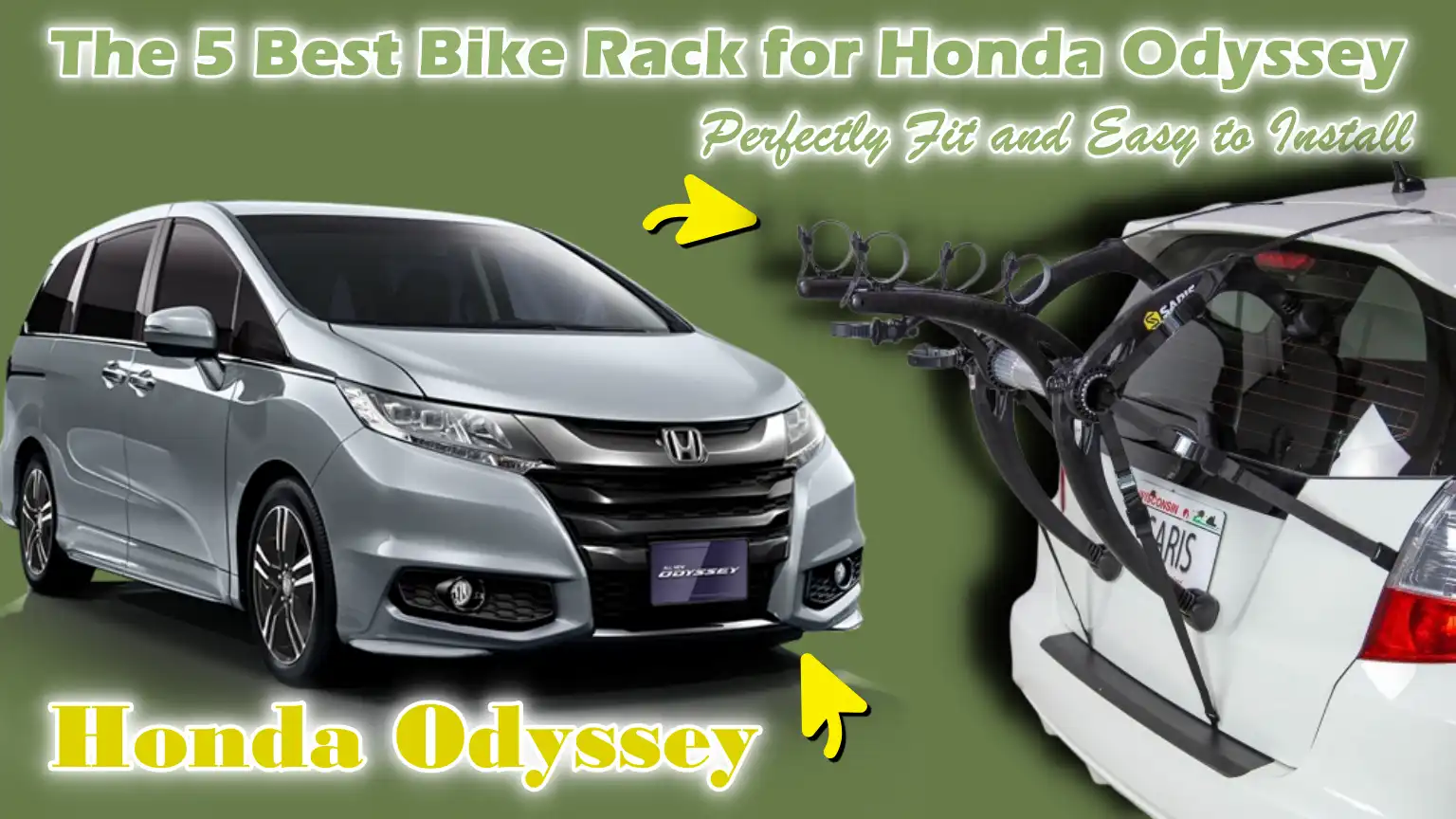
Now, these are the 5 Best Bike Rack for Honda Odyssey that has perfect structure and design that matches with the Odyssey models and that’s hwy it provides bike stability and you can load and unload the bikes quiet effortlessly.
What Kind of Honda Odyssey Design and Rack Becomes Comaptible With Each Other
1. Overview of the Honda Odyssey’s Rear Design, Tailgate Style, Roof Height, and Hitch Structure
The Honda Odyssey features a liftgate that opens upwards, which dictates which bike racks will fit properly.
Because the liftgate opens quite high and has a vertical surface, trunk-mounted racks can be used, but they may obstruct access to the trunk when loaded.
The Honda Odyssey’s roof height is approximately 68 to 70 inches, and placing bikes on a roof rack can increase the overall height by another 24 to 36 inches.
This makes roof racks less practical as the driver has to lift the bikes high and be mindful of parking garages or low-clearance areas.
Most Honda Odyssey models support Class II or Class III hitch receivers, and the Class III option is more common and recommended as it offers a stronger load capacity and works with more modern bike racks.
The Odyssey’s hitch structure is designed to handle the weight of multiple bikes, specially for families who carry two to four bikes for travel or outdoor activities.
2. Why Certain Types of Racks Work Better – Hitch vs Roof vs Trunk-Mounted
Hitch-mounted racks are generally the best option for the Honda Odyssey because they offer sturdy support, easy loading, and eliminate the need to lift bikes overhead.
Many families choose hitch racks because they are more stable and can securely carry a variety of bikes, including e-bikes and mountain bikes.
Roof racks are also an option, but they are less convenient due to the height and difficulty of lifting, specially with heavier electric bikes.
Trunk-mounted racks can be used, but fixed ones may require adjustments and can block rear cameras or restrict access to the trunk.
For long trips, frequent use, or heavier bikes, a hitch rack is the most practical and secure option.
3. Vehicle Load Limits and Safety Considerations
The Honda Odyssey can support a robust hitch rack system, but weight limits should always be checked to prevent overloading the vehicle.
Many Odyssey models allow for a combined rack and bike weight of up to 150 pounds, depending on the hitch class and rack design.
Heavier bikes, specially electric bikes, require secure mounting and sturdy support to prevent damage or insurance issues while driving.
It’s also essential to check the manufacturer’s guidelines, tighten all mounting points, and ensure the rack doesn’t obstruct lights, sensors, or rear visibility.
By adhering to these weight limits and safety precautions, the rack will remain secure, the bikes will be safe, and the Honda Odyssey will drive safely, even over long distances or rough roads.
What Types of Bike Racks Are Actually Suitable for the Honda Odyssey
1. Hitch-Mounted Bike Racks
Hitch-mounted bike racks are the most suitable and popular option for the Honda Odyssey because they support Class II and Class III hitch receivers, meaning they can safely handle heavier loads.
These racks attach directly to the hitch receiver at the rear of the van, making them strong and stable for carrying two, three, or four bikes depending on the model.
Many hitch racks can also support heavy electric bikes, which typically weigh between 45 and 65 pounds, making them a better option than roof or trunk racks.
Another major advantage is convenience, as loading bikes at waist height is easier and safer than lifting them onto the roof.
Most hitch racks also feature tilt-down or swing-away features that allow users to open the rear liftgate without removing the bikes, which is specially helpful for road trips, camping, and everyday family use.
2. Trunk-Mounted Bike Racks
Trunk-mounted racks can also fit the Honda Odyssey, but they are generally more suitable for shorter trips, occasional use, or lighter bikes.
These racks are installed using adjustable straps and padded arms that rest on the rear hatch of the vehicle.
While they are often more affordable and don’t require a hitch, once installed they can block access to the rear door and may interfere with the rearview camera or sensors on newer Odyssey models.
Because they rely on straps, they may require periodic tightening during long drives to maintain security and prevent movement.
Trunk-mounted racks are still useful, but they are not ideal for electric bikes or frequent long-distance travel.
3. Roof-Mounted Bike Racks
Roof-mounted racks are compatible with the Honda Odyssey as long as a roof rail or crossbar system is installed, which is standard on some trims and may be an upgrade option on others.
While roof racks save space at the rear and allow full access to the tailgate, the main challenge is the vehicle’s height.
The Odyssey is already approximately 68 to 70 inches tall, and adding a bike on top can increase the total height to around 95 to 110 inches, depending on the size of the bike.
This makes lifting the bike more difficult and can also pose a risk when entering garages, parking structures, or drive-through areas.
Roof racks are best suited for lighter bikes and users who don’t mind lifting items overhead or dealing with increased aerodynamic drag, which can slightly impact fuel efficiency.
4. Other Considerations – Foldability, Locking Systems, and Bike Frame Contact
When choosing a rack for the Honda Odyssey, it’s important to consider extra features that contribute to safety, convenience, and longevity.
Foldability is helpful because it allows the rack to be easily stored when not in use and takes up less space at the rear of the vehicle.
Locking systems are also crucial as they secure both the bikes and the rack to the vehicle, reducing the risk of theft while traveling or parked.
Another important consideration is how the rack contacts the bike’s frame or wheels.
Some racks support the bike by the wheels, which is safer for carbon frames, while others use frame clamps that should be padded to prevent scratches or damage.
These extra features help users choose a rack that best suits their specific needs, whether it’s for family biking, long-distance travel, or transporting expensive bikes.
What are The Key Factors to Consider Before Buying Honda Odyssey Bike Rack
1. Weight Capacity and Compatibility with the Number of Bikes
Weight capacity is one of the most crucial factors when choosing a bike rack for a Honda Odyssey, as it determines how many bikes you can safely carry and whether the rack can support heavier models like e-bikes.
Most standard bike racks can support two to four bikes, but the total weight should always match the weight limit of the rack and the vehicle.
Many high-quality hitch racks can handle weights ranging from 120 to 150 pounds, while roof and trunk racks typically have lower weight limits.
It’s essential to check the weight of each bike and compare it to the manufacturer’s rating to avoid putting excessive stress on the rack, hitch, or vehicle structure.
Proper weight matching reduces the likelihood of vibration, swaying, or damage to the rack during travel.
2. Material Durability and Weather Resistance
The quality of materials plays a significant role in longevity and safety, as bike racks are exposed to external elements such as sun, rain, dust, and road debris.
The best racks are made from high-strength steel or aluminum, and many come with a powder-coated finish to protect against rust and corrosion.
Aluminum racks are often lighter, making installation easier, while steel racks offer greater strength for heavier bikes.
Weather-resistant straps, rubberized mounts, and UV-protected coatings help extend the life of the rack, specially for users who frequently travel or store the rack outdoors.
A durable rack ensures the structure remains stable over time and protects both the bikes and the vehicle.
3. Ease of Installation and Removal
A bike rack should be easy to install and remove, specially for families who use the rack seasonally or switch between daily driving and weekend biking.
Many modern hitch racks offer tool-free installation systems, allowing users to quickly secure the rack and tighten it using built-in knobs or stabilizing mechanisms to minimize movement.
Roof and trunk racks may require more steps, adjustments, or hardware, increasing setup time.
Easy installation not only saves time but also reduces the likelihood of errors that could lead to loose mounting or road safety concerns.
4. Access Features – Swing-Away, Tilt-Down for Trunk Access
Access features are particularly important for the Honda Odyssey because this vehicle has a large rear liftgate that families frequently use for storage, groceries, sports equipment, or luggage.
Many premium hitch racks come with a tilt-down or swing-away function, allowing the rear door to be opened without removing the bikes.
The swing-away design provides full access and is best for road trips or longer journeys.
Tilt-down racks offer limited access, but they still make daily use much easier than traditional fixed racks.
These features enhance convenience and allow users to keep their bikes mounted even while accessing the trunk space.
5. Compatibility with E-bikes, Mountain Bikes, and Children’s Bikes
Bike racks should be compatible with the types of bikes being transported, as different bikes have varying frame sizes, wheel sizes, and weights.
Electric bikes are heavier and typically require platform-style hitch racks with robust wheel support.
Mountain bike frames and tires are often wider, so a rack needs to accommodate the width and wheelbase of modern tires.
Children’s bikes are smaller, and some hanging-style racks don’t properly secure them without an adapter.
Choosing a rack designed for different types of bikes offers better security and flexibility, specially for families who use a variety of bikes throughout the year.
The 5 Best Bike Racks for Honda Odyssey – Comes with Perfect Fitment
These are truly high quality bike rack for Honda Odyssey that comes with lots of features that makes them truly stable and customized design actually gives it perfect fitment for the Honda Odyssey owners.
#1. IKURAM R

Now, IKURAM R is the designer of this high quality bike rack that can carry 2 bicycles easily.
Additionally, Alloy Steel and High Quality Rubber material is used to build this Honda Odyssey bike rack and these materials actually provides durability and reliability that can carry your bikes safely during drive.
Moreover, you can easily tilt it down to access the bicycles, it is to give you convenient access to rear of vehicle with easy-to-use tilt-down feature.
As well as, you can fold it up quickly whenever the bike racks are not inuse that makes them compact transport and easy to store as well.
#2. Allen

Without a doubt, it is a heavy-duty trunk bike rack that is easy to use and very stable on the road.
Even it is made to carry 2-bike with each bike supported by its wheels, which literally lowers stress on fragile frames and makes loading much simpler.
Also, you can tie downs individual bikes and secure them to protect bicycles during the journey.
As well as, there are padded lower frame that actually keeps your bicycle away from the vehicle to prevent any kind of scratches and dents.
#3. STUDTREX

Now, STUDTREX is the manufacturer of this premium bike that that blends a sturdy design with smooth operation and there are lots of helpful features are available for reuglar riders as well.
As well as, you can carry 2-Ebikes with these racks of 170 lbs capacity that makes them truly useful and highly reliable.
Plus, you can easily fold them, tilt them according to your convenience, even it comes with the anti-theft hitch and wheel locks that makes them highly protective.
#4. Saris
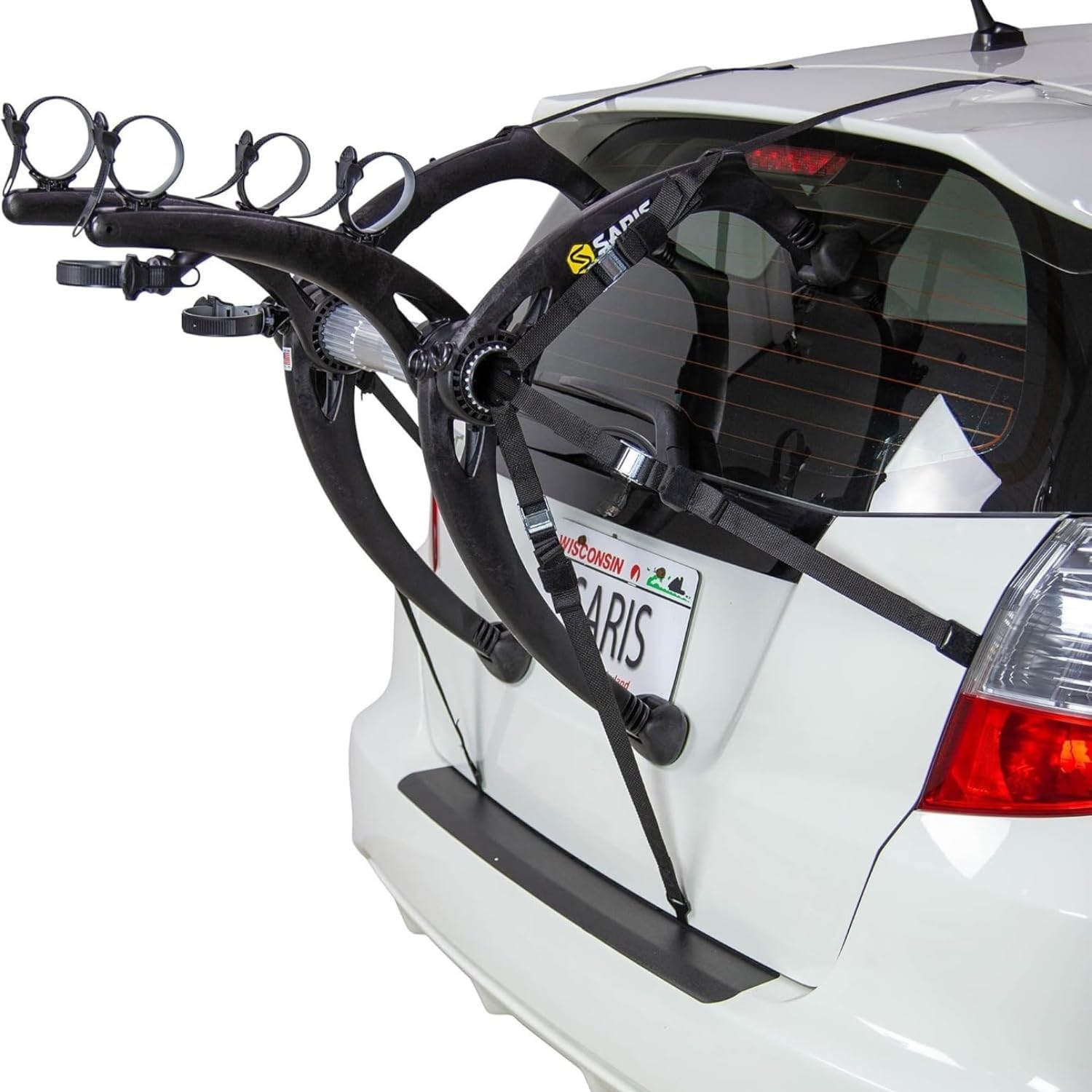
So, this is the Saris Bones EX which is well-known for trunk-mounted bike rack and it is light and easy to carry.
Even, you can install it with the straps and hooks and it is designed to reduce the contact points so it is less likely to rub paint when it properly fit and tightened in the correct way.
As well as, it comes with the injection-molded arms and legs that keeps the rack solid for years to come and there’s rubber feet that articulate to protect the paint as well.
#5. Allen
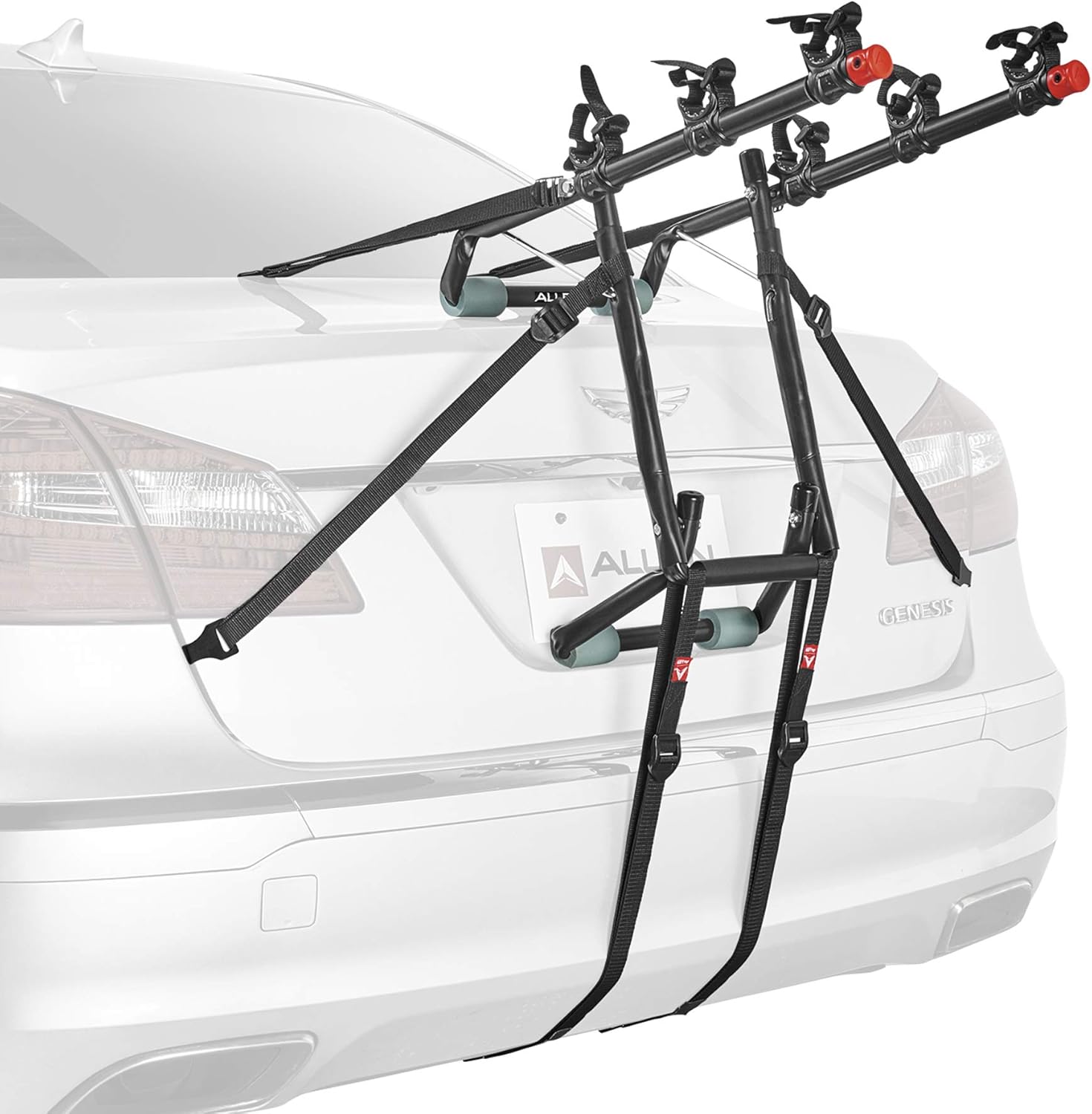
Now, with this Allen Sports trunk bike rack you can carry 3 bikes in one go, also alloy steel is used to give it durability.
Yes, you can also fold it fully flat for easy storage, even it has padded lower frame that literally protects vehicle, and left and right side straps are available to make it truly stable during drive.
Not only this, you can tie-down individual bicycles to protect them.
How to Install Bike Rack for Honda Odyssey – Complete Guide
Installing a bike rack on a Honda Odyssey becomes easier when you thoroughly understand all the steps and follow them in the correct order.
The installation process depends on whether the rack is a hitch-mounted, trunk-mounted, or roof-mounted design, but the general procedure remains similar for most models.
Before beginning the installation, it’s helpful to consult the rack’s manual, verify compatibility with your vehicle, and confirm that all bolts, fasteners, straps, and locking parts are included in the package.
A clean mounting surface, proper alignment, and secure tightening are crucial to ensure stability while driving, specially during long-distance trips or when carrying multiple or heavy bikes, such as e-bikes.
Properly installing the rack not only protects the bicycles but also ensures the safety of the driver, passengers, and other road users.
1. Install the Honda Odyssey Bike Rack Truly Step-by-Step
1. Prepare the Rack and Vehicle
Before installing the rack, ensure the mounting area is clean and free of dust, dirt, or loose debris.
If installing a hitch rack, check that the hitch receiver is properly secured and free of rust.
For trunk and roof racks, confirm that the mounting pads or crossbars are correctly aligned according to the manufacturer’s guidelines.
2. Attach the Rack to the Mounting Point
Insert the hitch rack into the trailer hitch receiver or position the trunk-mounted rack pads evenly on the liftgate.
If using a roof rack, place the bike trays on the crossbars and adjust them to the correct spacing.
Ensure the rack is seated evenly and not tilted before tightening.
3. Secure and Tighten the Fasteners
Depending on the type of rack being installed, tighten the bolts, knobs, or straps.
Many hitch racks include anti-wobble mechanisms that eliminate excess movement within the hitch receiver.
For trunk racks, tighten the straps until the rack is firmly attached and does not move when pulled.
4. Load the Bikes and Secure Them Properly
Carefully place the bikes onto the rack, starting with the heaviest bike if using a hitch or trunk rack.
Secure each bike using the straps, clamps, or wheel trays provided by the manufacturer.
Ensure that the frame or tire attachment points are stable and do not allow the bikes to move or vibrate.
5. Perform a Stability Test Before Driving
Once the bikes are mounted, gently shake the rack to check for sturdiness.
Conduct a slow test drive in a safe area such as a driveway or parking lot to check for noise, movement, or instability.
Adjust and retighten as needed.
2. Safety Checks – Straps, Torque, Securing Wheels
Regular safety checks are crucial as bike racks are subjected to vibrations, bumps, and wind pressure at normal driving speeds.
It is recommended to check the strap tension, bolt tightness, and locking mechanisms before each trip and during long drives.
Following the manufacturer’s torque specifications ensures that the rack components are properly tightened without causing damage.
Properly securing the wheels prevents the bikes from shifting or coming loose during transit, specially when carrying e-bikes, mountain bikes, or bikes with wide tires.
These safety measures protect the bikes, the rack, and the vehicle, while also ensuring a comfortable and safe travel experience.
3. Common Mistakes to Avoid
Many users make mistakes such as overloading the rack, forgetting to tighten the stability mechanisms, using the wrong type of bike, or neglecting regular safety checks.
Other mistakes include mounting the rack crookedly, leaving straps loose, or positioning the rack too close to brake lights or sensors, which can interfere with the vehicle’s safety systems.
Avoiding these mistakes will ensure better performance, prevent damage, keep your bikes secure, and extend the lifespan of the rack on every trip.
Read More:
How to Keep Honda Odyssey Bike Rack Safe, Secure and Maintained
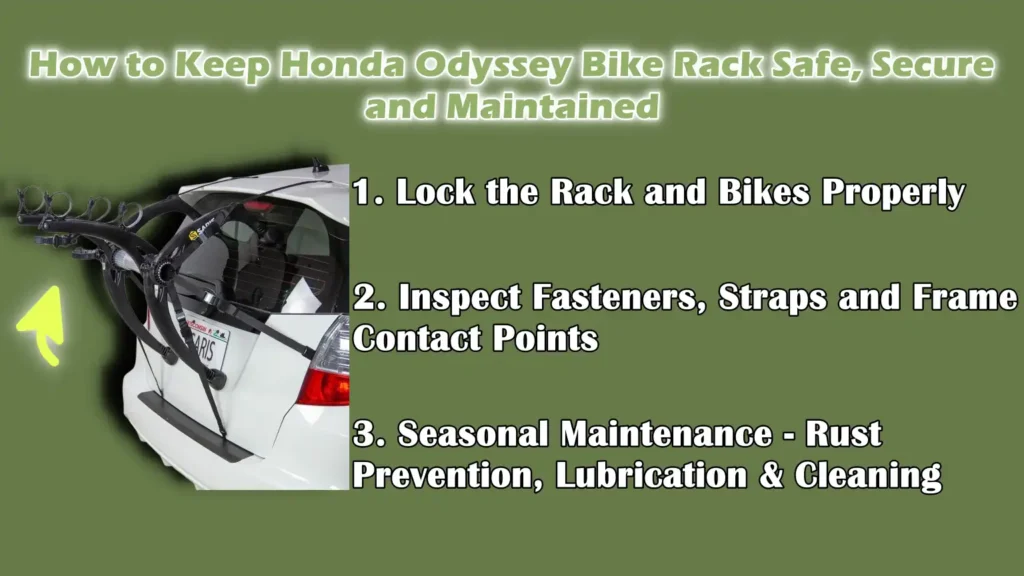
The safety, security, and proper maintenance of a bike rack are crucial, as it ensures the system is reliable, stable, and long-lasting, specially when frequently used for travel, outdoor trips, or carrying heavy bikes.
A well-maintained rack not only protects bicycles from damage but also prevents accidents caused by loose mountings, rusted bolts, or straps that have weakened over time.
The Honda Odyssey is often used for family travel, and because bike racks are exposed to weather conditions such as sun, moisture, rain, and dust, regular maintenance helps maintain strength, stability, and performance.
Learning to properly lock the rack, inspect fastening points, and perform weather-appropriate maintenance allows users to enjoy safe driving conditions and a longer rack lifespan.
1. Lock the Rack and Bikes Properly
Securing the rack and bicycles with proper locking systems is essential as it prevents theft and ensures the bikes remain attached even during sudden braking or on rough roads.
Many high-quality bike racks feature built-in locking cables or hitch locks that prevent the rack from being removed without a key.
When locking bikes, it’s best to secure the frame and wheels rather than the handlebars or seat post, as these parts are easier to remove or loosen.
Some racks also offer wheel-to-tray locking systems, frame clamps with internal locks, or anti-theft bolts that cannot be removed without a special tool.
Using proper locking methods provides peace of mind, specially when parking in public places, rest stops, or overnight parking areas.
Even, there’s a transport research and university projects that finds that externally mounted bike in the front, rear or roof can actually change the impact exposure in crashes, also the build quality and features such as: secure mounts, padding and anti-sway systems really matters to reduce secondary risks such as bike breakaway or intrusion into the crash spaces as well, also the mounting them in the secure way is important factor to its stability.[¹]
2. Inspect Fasteners, Straps and Frame Contact Points
Regularly inspecting the connection points is vital, as these parts are subjected to vibration, stress, and movement during driving.
Fasteners and straps can naturally loosen due to wind pressure or bumpy roads, so checking them before each trip and during long drives helps prevent the rack from shifting or the bikes from wobbling.
It’s important to ensure that frame clamps or tire straps are tight, but not overtightened, as excessive pressure can damage delicate carbon frames or scratch the paintwork.
Performing a quick check after loading the bikes, at fuel stops, and upon arrival at your destination helps maintain safety and prevents unnecessary stress on the rack and bicycles.
3. Seasonal Maintenance – Rust Prevention, Lubrication & Cleaning
Seasonal maintenance helps extend the life of your bike rack, as weather conditions can cause rust, damage, or wear and tear over time.
Rust spots should be checked on metal racks, and an anti-rust solution or touch-up coating should be applied if necessary.
Hinges, locking mechanisms, and moving joints should be lubricated periodically to ensure smooth folding, tilting, or swinging functions operate correctly.
Regularly cleaning the rack with mild soap and water removes dirt, road salt, and dust that can damage surfaces or reduce grip at mounting points.
Storing the rack indoors or covering it when not in use extends its lifespan and ensures it’s ready for your next adventure without major adjustments.
What are The Real-World User Experiences and Practical Scenarios
Real-world experiences help illustrate how a bike rack performs in everyday life, as user needs depend on how often they travel, the types of bikes they carry, and how they use their Honda Odyssey.
The Odyssey is already known as a family-friendly minivan with ample cargo space, sliding doors, and comfortable seating, and adding a bike rack further enhances its utility.
Many users report that the right rack makes travel easier by keeping the interior clean, saving space, and facilitating quick loading and unloading.
Whether someone is going on a weekend trip, dropping kids off at school, or transporting bikes for sports training, the type of rack chosen can impact convenience, safety, and overall satisfaction.
1. Family Use Cases
Families often need to transport multiple bikes, including adult bikes, children’s bikes, balance bikes, or sometimes even cargo and e-bikes.
Hitch-mounted racks are often preferred by families because they can securely hold two to four bikes without requiring any additional lifting or adjustments.
Parents find them convenient because loading is at a comfortable height, making it safer for children to help.
Many families also value tilt or swing features as the Honda Odyssey’s trunk is frequently used for strollers, snacks, luggage, and sports equipment.
A rack with sturdy straps, proper spacing between bikes, and anti-sway support helps prevent scratches and damage, specially when carrying bikes of varying sizes.
2. Camping, Road Trips, and Outdoor Sports Use
For camping and long-distance travel, users often choose hitch racks due to their stability and reliability during highway driving.
Many people who go on long outdoor trips carry mountain bikes or electric bikes, and platform-style hitch racks provide sturdy support for these heavier vehicles.
Roof racks are sometimes used when people also need to carry kayaks, cargo boxes, or other outdoor gear on top of the vehicle.
Users report that keeping bikes outside the vehicle frees up more space inside for other items and helps keep the cabin clean after muddy or dusty rides.
A secure locking system is specially important for road trips, as bikes may be stored overnight at hotels or campsites.
3. Urban Daily Use Scenario
In urban or suburban areas, bike racks are often used more casually for commuting to school, weekend rides, or transporting bikes to parks and trails.
In these situations, trunk-mounted racks may be used when families prefer a lower-cost option and shorter trips.
However, many urban Odyssey owners prefer hitch racks because they are easier to load and unload, which is helpful when parking on busy streets or when time is limited.
Users also report that security features like built-in locks are useful in urban environments where the risk of theft may be higher.
For daily use, a rack that folds up when not in use is preferred because it doesn’t take up much space behind the vehicle and makes parking easier.
Conclusion – Best Bike Rack for Honda Odyssey
Literally, a good bike rack can change the experience of travel and cycling forever, as you can carry multiple bikes and enjoy the destination at fullest.
Plus, a well-designed and properly fitted rack can make biking trips easier, safer, and more convenient for families, outdoor enthusiasts, and travelers.
As the Honda Odyssey is a large family vehicle with ample cargo space, it’s highly compatible with a variety of racks, specially hitch-mounted systems, which offer excellent stability and support for heavy or multiple bikes.
When choosing a rack, key considerations include weight capacity, the quality of the rack’s materials, anti-sway technology, ease of installation, and compatibility with different bike frames.
Safety also plays a crucial role, meaning proper installation, secure locking, and regular maintenance will help protect both the bikes and the vehicle from damage.
For many, a good bike rack encourages more outdoor activities, supports a healthy lifestyle, and reduces hassle when traveling with bicycles.
Modern bike racks are built to last, as they are constructed from durable materials like aluminum and steel, tested for road vibrations, and designed to withstand various weather conditions.
Many racks also incorporate advanced engineering features such as protective straps, rubberized frame contact padding, and adjustable cradles to ensure bikes remain secure during transport.
Over time, the right bike rack can save money by preventing scratches, dents, or mechanical damage to bicycles caused by improper storage or transport.
Whether used for short daily rides around town or long-distance camping trips, a properly chosen rack can transform the biking experience, making it more flexible and stress-free.
For Honda Odyssey owners, the vehicle’s size, towing capacity, and compatibility with modern racks make this process easier when the right factors are considered.
Ultimately, investing in the right bike rack is a smart and practical decision that will support convenience, comfort, and adventure for many years to come.
Now, that’s all from this one and you can still ask unsolved queries in the comment section below this guide.
Frequently Asked Questions
Q1. Can any bike rack fit on a Honda Odyssey?
Answer: Most bike racks can fit on a Honda Odyssey, but not every rack will be the right option. The Honda Odyssey works well with hitch-mounted bike racks because the vehicle already supports towing and provides robust stability. Trunk-mounted racks and roof racks can also fit, but they may require specific measurements or adapters. Before purchasing, it’s essential to check the manufacturer’s compatibility chart to ensure the rack is fully compatible with your Honda Odyssey’s model year. This helps avoid fitting, safety, or installation issues.
Q2. How many bikes can a Honda Odyssey bike rack carry?
Answer: Most bike racks designed for the Honda Odyssey can carry two to five bikes, depending on the type of rack and its weight capacity. Hitch racks typically carry the most bikes as they are supported by the vehicle’s towing system and offer greater stability. Roof racks and trunk racks generally carry fewer bikes due to space limitations and balance considerations. Always check the rack’s weight limit and compare it to the total weight of all the bicycles to avoid damage or unsafe transport.
Q3. Do I need a hitch to install a bike rack on my Honda Odyssey?
Answer: A hitch is only necessary if you plan to use a hitch-mounted bike rack. If your Honda Odyssey doesn’t already have a hitch, it can be professionally installed or purchased separately. Trunk-mounted and roof-mounted bike racks do not require a hitch, but they may require accessories such as straps, mounts, or adapters depending on the style of the bike. Hitch racks are generally easier to load and offer better stability, specially for multiple bikes.
Q4. Will a bike rack damage the paint or body of my Honda Odyssey?
Answer: A properly installed bike rack will not damage your vehicle’s paint or body. Many modern racks include soft rubber padding, anti-scratch coatings, and protective foam to prevent marking. However, damage can occur if the rack is installed incorrectly, if the straps are loose, or if dirt and debris are trapped between the rack and the vehicle’s surface. Cleaning the contact points and rechecking the attachments helps prevent scratches or dents.
Q5. Can I open the trunk with a bike rack installed?
Answer: Whether or not you can open the trunk depends on the type of rack you are using. Most trunk-mounted racks do not allow the trunk to be opened once installed because the weight and pressure could cause damage. Many hitch-mounted racks come with swing-away or tilt features that allow access to the trunk even with bikes loaded. Roof racks provide full access to the trunk without any obstruction. It’s always best to check the rack’s features before purchasing.
Q6. Are bike racks safe for long-distance travel?
Answer: Yes, bike racks are safe for long-distance travel if they are installed correctly and checked regularly during the trip. High-quality racks are tested for road vibrations, wind pressure, and rough road conditions. Before a long trip, it’s advisable to check the straps, tighten bolts, and securely lock the bikes. Using additional safety straps and built-in locking systems helps prevent movement and reduces the risk of damage.
Q7. What type of bike rack is best for families with children?
Answer: For families, hitch-mounted racks are generally the best option because they make loading and unloading bikes, specially smaller bikes, easier. Hitch racks provide sturdy support and are ideal for carrying multiple bikes of varying sizes. Trunk racks can be acceptable for occasional use, but they can be difficult to load and may require lifting bikes higher. Roof racks are sturdy but are not convenient for frequent family use due to the height.
Q8. How do I protect my bike from theft when using a rack?
Answer: To protect your bike, it’s recommended to use a rack that has a built-in locking system for both the bike and the rack itself. Cable locks, hitch locks, and wheel locks can provide additional security. Parking in well-lit areas and checking the locks whenever the vehicle is left unattended also helps deter theft. Many modern racks come with anti-theft technology that keeps bikes secure during both short and long stops.
Q9. How long does a good bike rack last?
Answer: A high-quality bike rack can last for many years if properly maintained. Most racks are made from durable materials like steel or aluminum that withstand weather and stress. To extend the lifespan, regular cleaning, rust prevention, lubrication of moving parts, and storing the rack indoors when not in use are important. A well-maintained rack can remain safe and reliable for five to ten years or even longer.
References:
[1] A study of front-mounted bicycle racks on buses
https://www.trl.co.uk/uploads/trl/documents/TRL592.pdf

Jonathan, the passionate owner of Bicycle Time, brings a lifelong love for bikes and automotive craftsmanship, that reflects into every corner of the shop. With deep passion in both cycling and automotive accessories, Jonathan is more than just an expert.